|

Author: Honest Elevator

Elevator Repair Costs In Virginia (Breakdown)

Elevators make life a whole lot easier. You press a button, the doors slide open, and you’re whisked to your floor without breaking a sweat. 

But like any other mechanical system, elevators need maintenance and the occasional repair. And when something breaks, the big question that comes up is: how much is this going to cost?

The answer isn’t the same for everyone. The total depends on a mix of factors – some obvious, some not so much.

In this post, we’ll break down the average elevator repair costs, and the factors that affect your final bill.

How Much Does Elevator Repair Cost?

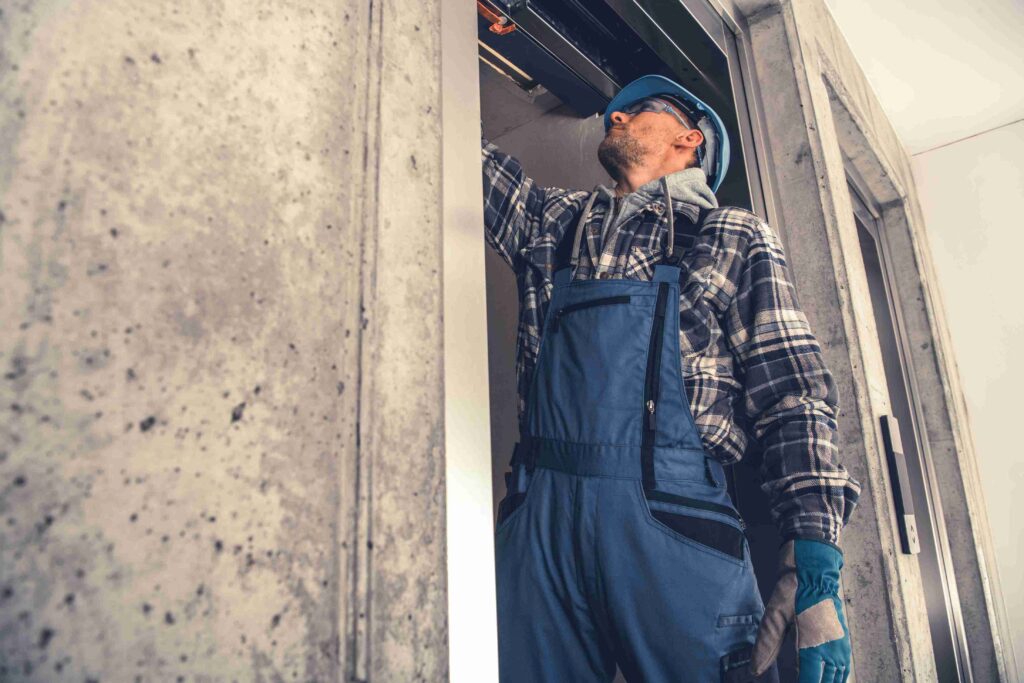
Elevator repair costs can range from $100 to $15,000+ depending on the issue.

For something simple, like a sensor adjustment or fixing a sticky door, you might only pay a few hundred dollars. But for bigger jobs, like replacing the motor or modernizing older systems, costs can climb into the thousands pretty quickly.

Here’s a quick ballpark to give you an idea:

  • Minor service call or small fix: $100 – $500
  • Cable replacement or drive system repair: $2,000 – $4,000
  • Motor replacement or major mechanical work: $5,000 – $15,000+
  • Door or landing door replacement: $2,000 – $7,000
  • Full modernization or overhaul: $30,000 – $100,000+

Home elevator repairs usually cost less than commercial units, but the difference isn’t always huge. Labor rates, building codes, and parts availability all play a role too. 
How Much Does Elevator Repair Cost

So, while these numbers are a good starting point, the real cost comes down to what exactly needs fixing and where you are.

Also Check Out Our: Elevator Repair Services in Virginia

Factors That Affect The Cost Of Elevator Repairs

Here are the main factors come together to determine how expensive a repair ends up being:

#1 Type Of Elevator

The kind of elevator you have is one of the biggest cost drivers. 

Each type works differently, and that affects both the parts and the labor involved. 

Hydraulic elevators usually sit at the lower end of the repair cost spectrum because their mechanics are pretty straightforward. They rely on fluid pressure and a piston, so when something goes wrong, the issue is often easier (and cheaper) to fix. 

Traction elevators, on the other hand, use cables, pulleys, and counterweights. There’s more that can wear out or break, and repairs often need more specialized work. 

Pneumatic or vacuum systems are the rarest, and because fewer technicians work on them, service calls can be pricier and parts might take longer to source. 

#2 Age And Condition

Age matters more than most people realize. 

A newer elevator usually comes with modern diagnostic tools and parts that are easy to find. Technicians can plug in their equipment, figure out the problem fast, and swap components without much fuss.

But once an elevator starts creeping past the 15–20 year mark, repairs can get complicated. 

Parts might be discontinued, wiring might not match current standards, and components wear down in ways that aren’t obvious at first glance. 

Plus, it’s common for one repair to reveal another hidden issue.

Also Read: How Often Does An Elevator Need To Be Inspected?

#3 Specific Component That Failed

The component that failed will also affect your elevator repair costs.

A broken light or door sensor isn’t going to cost anywhere near as much as a failed motor. Control boards, safety brakes, cables, door mechanisms, and electronics all vary in price. 

Plus, labor time also depends on what failed. Some parts are easy to reach and swap out. Others require disassembling half the system to get to them.

What breaks directly influences both the cost of parts and the hours of labor needed.
Factors That Affect The Cost Of Elevator Repairs

#4 Number Of Floors

The taller the building, the more complex the elevator system tends to be. 

Elevators that serve multiple floors experience more wear and tear. They also use longer cables, more sophisticated controls, and heavier-duty motors. 

Repairs can be more involved simply because there’s more equipment to deal with. For example, a three-floor home lift won’t cost as much to fix as a 20-floor commercial system.

More floors usually equals more moving parts, and more moving parts mean higher repair costs.

#5 Local Labor Rates

This is one of those factors people don’t always think about. 

Elevator repair specialists are highly trained, and their hourly rates vary by region. In some areas, labor might make up the bulk of the bill. In others, parts are the bigger expense. 

Urban centers with higher costs of living usually have higher labor rates. 

In smaller towns, rates might be lower – but travel fees can sometimes even things out. 

It all depends on where you are and who’s doing the work.

Also Read: How Much Does A Home Elevator Cost In Virginia?

#6 Accessibility And Difficulty Of The Repair

Some repairs are a breeze. A technician can walk in, pop open a panel, fix the issue, and be done in an hour.  Others are buried behind layers of machinery, tucked into tight shafts, or positioned in awkward places that make even basic fixes a challenge. 

If a part is hard to reach, technicians might have to remove surrounding components, use special tools, or bring in extra help. All of that adds time. 

Accessibility issues can also make diagnosing the problem more complicated because it’s tougher to see or reach the affected area.

#7 Parts Sourcing And Import Costs

Not all parts are sitting on a shelf nearby. 

Sometimes they need to be ordered from overseas or special manufacturers. 

That means extra shipping, possible import fees, and longer wait times. 

If you have an uncommon elevator model, parts might have to be custom-made, which can really push up costs. Even if the part itself isn’t that expensive, getting it delivered and installed can add a chunk to the final bill.

Also Read: How Often Do Elevators Get Stuck?

#8 Safety Standards & Inspections

Elevator repairs can’t just be done and left at that. 

In many areas, safety inspections are required after certain types of work. Plus, local building codes might require licensed inspectors to sign off on repairs before the elevator goes back into service.

These inspections come with their own fees, and if the elevator fails an inspection, more work might be needed. 

It’s all part of keeping the system safe and legal, but it does add to the total cost.

Bottom Line

Elevator repairs can cost anywhere between $100 to $15,000+.

A tiny fix might only set you back a few hundred dollars, while a big mechanical failure can run into the tens of thousands. The type of elevator, its age, the part that failed, and a handful of other factors all shape the final number.

The best way to keep repair costs under control is regular maintenance. 

Having a trusted technician or service company on call also helps you get clear estimates before work starts. That way, there are no surprises when the bill arrives.


How Often Do Elevators Get Stuck? (Solved)

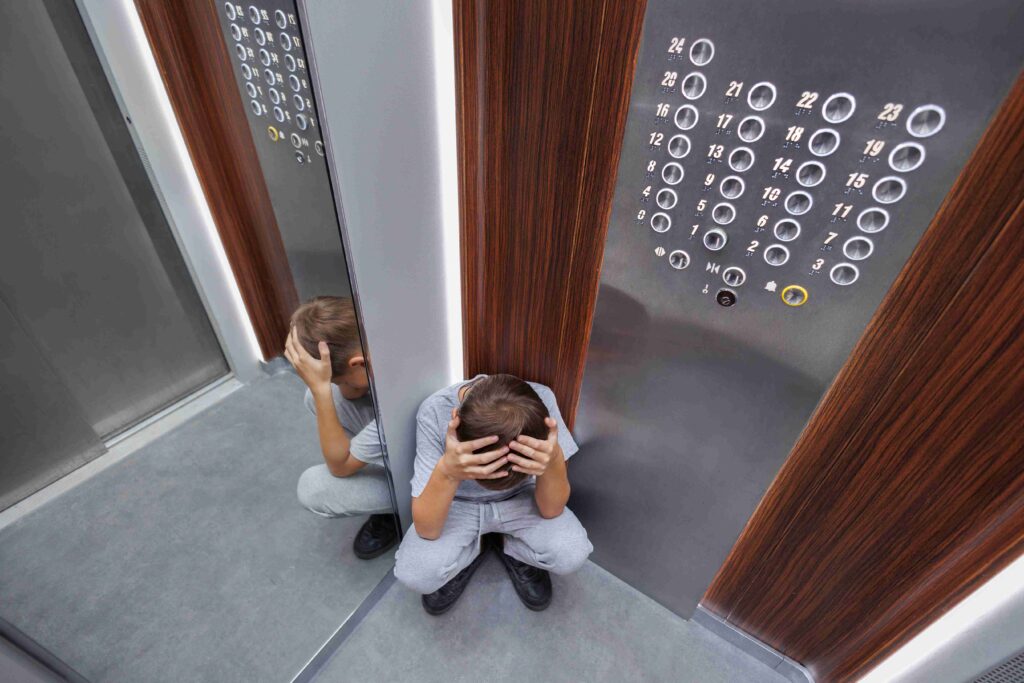
Most people have at least a tiny fear of elevators.

You step inside, the doors close, and you can’t help but picture the classic movie scene – lights flickering, cables snapping, people panicking.

But here’s the thing: elevators are actually one of the safest, most reliable ways to move around. 

Getting stuck inside isn’t something you’ll likely face, even if you use elevators every single day. 

In this post, we’ll go over how often elevators really get stuck, why it happens at all, and what’s in place to keep you safe.

How Reliable Are Elevators Today?

Elevators are incredibly reliable. 

Think about it: in big cities, they run nonstop, carrying thousands of people every day. The technology has been around for over a century, and it’s only gotten better with time. 

Modern elevators are designed with:

  • Multiple safety systems
  • Backup power setups
  • Smart sensors that detect problems before they turn serious

In fact, millions of rides happen every single day across the globe without any issues. That means the odds of you getting stuck are far lower than most other everyday inconveniences. 

How Reliable Are Elevators Today

You’re more likely to spill coffee on your shirt than end up stranded between floors.

Also Read: Is It Dangerous To Get Stuck In An Elevator?

How Often Do Elevators Get Stuck?

Elevators get stuck very very rarely.

Elevators are one of the safest ways to get around a building, and the chances of you getting trapped inside are super low. 

In the U.S., there are close to a million elevators running every single day, making billions of trips each year. Out of all those rides, only a tiny fraction end up with someone stuck between floors.

To give you an idea: the odds of being in a ride that ends in an elevator entrapment are about 1 in 100,000 trips

That means if you ride an elevator to work every weekday for 40 years, you might only have a single shot at ever experiencing it. And even then, most people never do.

Why Do Elevators Get Stuck?

If elevators are so reliable, why do they ever get stuck at all? It usually comes down to a handful of causes. Let’s break them into three main groups so it’s easier to understand:

Technical Issues

Elevators are complex machines with a lot of moving parts and electronics working together. Sometimes, a small glitch is all it takes to bring the car to a stop. 

For example, a sudden power outage can freeze the elevator mid-ride until electricity is restored. 

Sensors, which are there to keep everything safe, can also be a little overcautious. If they detect even the tiniest irregularity, they’ll shut things down right away.

Check Out Our: Elevator Repair Services in Virginia

Motors, pulleys, and control systems can also wear out or slip up occasionally. 

The important part is that these systems are designed to fail safely – which means stopping the elevator securely, not letting it run into danger.

Human Factors

People play a bigger role in elevator stalls than most realize. 

Overcrowding is one of the most common reasons for an unexpected stop. 

Every elevator has a maximum weight limit, and when too many passengers or heavy loads pile in, the system will halt to prevent damage. 

Then there’s the rough treatment factor like when someone tries to force the doors open instead of waiting or decides to jump inside as a prank. These actions confuse the sensors and can cause the elevator to lock up as a precaution. 

In busy places like shopping centers or apartment complexes, little acts of misuse add up and can trigger more frequent stalls than in a quiet office building.

Maintenance-Related Causes

Just like a car that needs oil changes and tune-ups, elevators rely on regular upkeep to stay smooth and safe. 

If routine maintenance is skipped, small issues like worn cables, dirty tracks, or old control software can turn into bigger problems. 

That’s when unexpected stalls are more likely. Older elevators are especially prone to this since their parts naturally wear down over time. But well-maintained elevators are impressively reliable. 

Why Do Elevators Get Stuck

Plus, buildings with strict inspection schedules and modern monitoring systems catch most problems early, long before anyone riding even notices. 

It’s one of the biggest reasons elevator stalls are as rare as they are today.

What Happens If An Elevator Gets Stuck?

Okay, let’s say the rare chance does happen, and you find yourself in a stuck elevator. 

What then? 

The good news is, you’re safe. Elevators aren’t designed to plummet or lose control. 

If they stop, it’s because the safety system made sure the car stayed put.

When an elevator stalls, the emergency brakes engage automatically. Lights may stay on thanks to backup power. There’s also an emergency call button or intercom that connects you directly with building staff or emergency responders. 

Once alerted, help usually arrives pretty fast.

Most people are out within 30 to 60 minutes. It might feel longer because time slows when you’re in an unfamiliar situation, but rest assured, trained technicians know exactly how to reset and safely open the doors. 

Never try to pry doors open or climb out on your own – that’s when accidents happen.

How Maintenance Reduces The Risk

The reason you don’t hear about elevators getting stuck all the time is because of maintenance. 

Building owners are legally required to keep their elevators in good working order. 

Also Read: How Often Does An Elevator Need To Be Inspected?

Depending on the location, inspections can happen monthly, quarterly, or annually. Technicians check cables, motors, sensors, and emergency systems. They replace worn parts before they fail and update the software that runs modern elevators. 

Some high-rise buildings even have “smart monitoring” that tracks elevator health in real time. 

If the system notices anything unusual, it sends an alert for maintenance before people ever notice a problem.

Preventive care keeps things smooth and safe. That’s why the majority of us go through life riding elevators thousands of times without a single bad experience.

Bottom Line

So, how often do elevators get stuck? The answer is: not often at all. 

Stalls happen, but compared to the millions of daily rides, the odds are minuscule. And even if you do find yourself inside one that decides to stop, the systems in place keep you safe until help arrives.

Modern elevators are one of the most reliable parts of city life. They’re heavily regulated, constantly inspected, and packed with safety features. 

So, next time you step inside, take a deep breath and relax. The chances of anything going wrong are slim, and the ride is a lot safer than most things you’ll do today.

Is It Dangerous To Get Stuck In An Elevator? (Explained)

Getting stuck in an elevator is one of those things almost everyone dreads. 

You step in, press the button, and then the lift shudders, stops, and suddenly you’re in a metal box going nowhere. It feels like the start of a disaster movie. 

But here’s the truth: as unnerving as it feels, most of the time it isn’t dangerous at all. 

Elevators are built with tons of safety systems. They’re tested, inspected, and designed to handle all sorts of issues without putting you in harm.

Still, it’s natural to feel scared when you’re inside one that just won’t budge.

In this post, we’ll shed some light on if it’s dangerous to get stuck in an elevator.

Is It Dangerous To Get Stuck In An Elevator?

No, it is not dangerous to get stuck in an elevator.

Most people imagine the worst-case scenario: the cables snapping, the elevator free-falling, or running out of oxygen while trapped. The truth is none of that is how modern elevators work. 

Elevators don’t rely on just one cable; they use multiple steel ropes, each strong enough to hold the car on its own. Plus, braking systems lock things in place if something goes wrong.

And about oxygen running out? Not going to happen. 

Elevators are ventilated. Even if it feels stuffy, air is always circulating in and out of the shaft. So you’re not in danger of suffocating.

That said, being stuck isn’t exactly fun. It can cause stress and even panic for some people. 

What Actually Happens When An Elevator Gets Stuck

Also Read: How Often Does An Elevator Need To Be Inspected?

The real danger usually comes from people reacting in unsafe ways, like trying to force doors open or climbing out on their own.

What Actually Happens When An Elevator Gets Stuck

So why do elevators stop in the first place? 

A lot of times it’s something pretty simple. Maybe there’s a power outage, or maybe the elevator’s safety system detected a problem and automatically halted the car. 

Sensors are very sensitive, and they’d rather stop you for a minor hiccup than risk anything worse.

When the elevator stops, it doesn’t mean it’s dangling by a thread. It’s locked in place by its braking system. You’re not moving anywhere until it’s released.

Inside, you’ll notice the lights usually stay on thanks to backup power. If the building loses electricity, emergency systems keep the car lit and ventilated. 

Plus, most elevators also have a call button or built-in phone that connects directly to security or emergency staff. 

You’re never completely cut off.

Also Check Out Our: Elevator Testing Services in Virginia

The Risks Of Being Stuck In An Elevator

Now, let’s be real. While it’s usually safe, there are still some risks worth knowing about. Not because the elevator itself is failing, but because of how people respond.

Here’s what we mean:

#1 Panic Attacks Or Anxiety

For many people, the hardest part of being stuck in an elevator isn’t the machine, it’s their own mind.

Being in a small, closed-off space can trigger claustrophobia or just general uneasiness. Some people start to breathe faster, feel their chest tighten, or get dizzy from the rush of adrenaline. 

It’s easy to spiral into full-on panic if you’re already feeling trapped. 

The good news is, once you remind yourself that elevators are built to hold steady and that help is on the way, those feelings usually calm down. 

Still, the mental side of it is what makes the situation feel so overwhelming for most people.

#2 Heat And Discomfort If It’s Crowded

If the elevator is packed, things can get hot and stuffy pretty fast. 

Even though elevators are ventilated, it doesn’t always feel like it when there are too many bodies in one small box. People may start sweating, shifting around, or getting cranky from the lack of personal space.

In extreme cases, someone might even feel faint. 

The Risks Of Being Stuck In An Elevator

While this isn’t dangerous in the long run, it definitely adds to the stress of the situation.

Also Read: Elevator Modernization Services in Virginia

#3 Trying To Escape On Their Own

This is the one area where the real danger shows up. 

Some people, driven by panic or impatience, try to pry open the doors or climb out through the top hatch like in the movies. That’s actually one of the riskiest things you can do. 

The elevator isn’t shut down permanently, and if it suddenly moves again, anyone halfway out could get seriously hurt. Even trained firefighters and technicians use special tools and safety procedures to get people out. 

For regular passengers, staying put until help arrives is always the safer choice.

What You Should Do If You’re Trapped In An Elevator

If you ever find yourself in that stuck situation, here’s what you should do:

  1. Stay calm and remind yourself elevators are designed to be safe.
  2. Press the emergency button. Most elevators have one that alerts building staff or emergency responders.
  3. Use the phone inside. Some have a direct line to security or 911.
  4. Sit down if you feel dizzy or anxious. It helps keep your breathing steady.
  5. Wait for help instead of forcing the doors.

The hardest part is patience. It might take a few minutes or even longer before help arrives, but staying put is the safest option.

Bottom Line

It is NOT dangerous to get stuck in an elevator in most cases. It’s uncomfortable, sure. Stressful, definitely. But actual danger is extremely rare. The real risks come from panic, discomfort, or unsafe attempts to escape, and not from the elevator itself.

If you ever get stuck, remember: elevators are built to protect you. They lock in place, stay ventilated, and have systems to call for help. 

Staying calm and waiting it out is the safest move.

So the next time you step into an elevator and that “what if” thought creeps in, remind yourself: even if it did stop, you’d be okay. Annoyed, maybe sweaty, but safe.

How Much Does A Home Elevator Cost In Virginia? (Guide)

Thinking about putting an elevator in your house? 

Honestly, you’re not alone. More and more homeowners are adding them for convenience, accessibility, or just because it feels like a cool upgrade. 

But before you dive in, the big question is always the same: how much is this going to cost me? 

Elevators aren’t just for fancy hotels anymore, but they do come with a price tag.

In this post, we’ll go over how much a home elevator costs, and the factors that affect the final cost. Plus, we’ll also break down our elevator prices.

How Much Does A Home Elevator Cost?

Home elevators can range from about $15,000 to $100,000 or more in Virginia. 

But the final price depends on a bunch of things, which we’ll dive into in a minute. 

For a basic, single-floor elevator, you could be on the lower end of that range. If you’re going for something bigger, more luxurious, or custom-built, the price climbs quickly.

Here’s a quick breakdown of the most common types:

Type of Home ElevatorAverage Installed CostBest For
Shaftless / Compact$15,000 – $25,000Small spaces, 2 floors
Hydraulic$22,000 – $50,000Smooth ride, higher capacity
Traction (geared/gearless)$25,000 – $55,000+Multi-floor, durable, long-term use
Pneumatic / Vacuum$35,000 – $60,000Sleek design, no machine room
Custom Luxury Models$60,000 – $100,000+Glass walls, high-end finishes, multiple stops

Most people end up paying somewhere in the $30,000 to $50,000 range for a standard elevator. 

This usually includes installation and some basic features. 

Of course, if you’re adding extra floors, special finishes, or even a fancy, high-tech control system, expect the price to rise.

How Much Does A Home Elevator Cost

Also Check Out Our: Residential Lifts Services in Virginia

What Affects The Cost Of A Home Elevator?

There are a few main factors that will influence how much you pay for a home elevator in Virginia. Let’s go through them one by one:

#1 Number Of Floors / Stops

The more floors you need to cover, the more expensive your elevator will be. 

A single-floor system (meaning, it only travels between two floors) is obviously cheaper than one that needs to stop at three or more floors. 

More stops mean extra mechanisms, more complex wiring, and generally, a higher overall cost.

Also, keep in mind that adding more floors doesn’t just increase the elevator’s price, it can also impact the type of elevator you need. For example, a pneumatic lift might work for two floors, but for three or more, a more powerful hydraulic system could be necessary.

#2 Capacity Needed

How much weight does the elevator need to carry? 

This plays a big role in home elevator costs. 

A basic elevator might have a capacity of 500 to 750 pounds, which is fine for most people. 

But if you need an elevator that can carry a wheelchair, a few people at once, or large furniture, that will bump up the price. Larger elevators often have a stronger motor, bigger car size, and more advanced safety systems to handle the extra weight. 

So if you plan on using it to move heavy items or accommodate multiple people, the cost will be higher.

Also Read: How Often Does An Elevator Need To Be Inspected?

#3 Elevator Type

There are different types of home elevators, and each one has its own price tag. 

The three most common are:

  • Hydraulic elevators
  • Pneumatic elevators
  • Traction elevators

Hydraulic elevators are the most popular for home use. 

They’re reliable, relatively quiet, and can carry a lot of weight. But they also require a pit (a hole in the ground) for installation, which can add to the cost.

Pneumatic elevators are more compact and work by using air pressure. 

They’re often chosen for their sleek design and space-saving features. They don’t need a pit, which can reduce costs, but they tend to be pricier upfront compared to hydraulic ones.

Traction Elevators use a system of cables and counterweights. 

They’re great for multi-story homes and can be installed without a pit. However, they can be the most expensive option.

Each type of elevator has its own pros and cons, but cost-wise, hydraulic and pneumatic systems are usually the most common choices for homes.

#4 Finish And Features

Just like buying a car, home elevators come with different options for finishes and features. 

Want shiny chrome panels? 

Need a custom wood cabin to match your home’s décor? 

These kinds of features will certainly add to the home elevator cost.

You can also add extra features like smart home integration, wireless control systems, or even a high-end sound system. These techy upgrades can make your elevator feel like something straight out of a sci-fi movie, but they’ll also make your wallet a little lighter.

The more luxurious you want it to look and feel, the more you’ll pay. On the flip side, a simple, no-frills elevator can keep costs on the lower end.

What Affects The Cost Of A Home Elevator

Also Read: Is it dangerous to get stuck in an elevator?

#5 How Much Civil / Structural Work Is Needed

Elevator installation is not just about dropping an elevator in place. A lot of the cost is in the preparation. 

This is especially true if your home wasn’t designed for an elevator in the first place. 

Some homes might need to undergo significant structural changes, like widening doorways, reinforcing floors, or even adding a pit for a hydraulic system.

The more construction work involved, the more you’ll need to budget for. 

If you’re building a new house and planning ahead, adding an elevator can be a smoother process. But if you’re retrofitting an old home, you might run into a lot more complications and more home elevator costs.

#6 Supplier/Brand Preference

Just like with anything else, brand names can make a difference in price. 

High-end elevator manufacturers with a reputation for quality or luxury designs tend to have higher prices. 

If you go with a lesser-known brand, you might save a little money, but be careful – sometimes paying more for a trusted name means better safety and reliability in the long run.

So make sure to do your research and get multiple quotes. 

Also ask for referrals or reviews from people who’ve installed elevators in their homes to get a better sense of the pros and cons of each supplier.

#7 Permits And Inspections

In many areas, installing a home elevator requires permits and inspections. 

This is especially true if you’re doing major structural work to your home. 

You’ll need to follow local building codes, and that means paying for permits and possibly inspections along the way. These can add up quickly, depending on where you live and how complicated the installation is.

Most reputable elevator companies will help guide you through the permit process, but it’s still something you’ll need to account for in your budget.

Bottom Line

A home elevator can cost anywhere from $15,000 to $100,000.

A basic, simple home elevator with minimal features for a single floor might cost you around $25,000 to $35,000. But if you’re looking for something more customized with multiple floors, high-end finishes, or extra capacity, the price can go well over $50,000.

It’s a good idea to set a budget before you start shopping around. 

Be sure to factor in all the additional costs like construction work, permits, and inspections. And don’t forget to get multiple quotes and check out reviews of different suppliers. 

How Often Does An Elevator Need To Be Inspected?

If you’re in charge of a building with an elevator or just curious about how often they get checked, you’re not alone.

Elevators are part of daily life for tons of people, and they don’t usually get much attention until something goes wrong. But like anything mechanical, elevators need regular care. 

And yes, inspections are a huge part of keeping things safe, legal, and running smoothly.

In this post, we’ll shed some light on how often an elevator needs to be inspected, who performs the inspection, and what happens if you skip them.

Why Elevator Inspections Are So Important

Elevators are basically metal boxes on ropes guided by computers. 

Sounds simple, but those ropes and computers can get cranky. A frayed cable or a sensor that’s off by a hair can turn a smooth ride into a very bad day. 

Inspections help catch problems early before they turn into serious safety issues.

When To Inspect Elevator

Think of it like taking your car for an oil change. Ignore it long enough and one day the engine coughs, sputters, and you’re stuck on the side of the road. Elevators don’t get a shoulder to pull onto and they’re stuck between floors with people inside. 

Regular inspections keep the ride boring, and boring is good when you’re in a small metal room dangling in a shaft.

Also Check Out Our: Virginia Escalator Maintenance Services

How Often Does An Elevator Need To Be Inspected?

An elevator needs to be inspected once a year. That’s the minimum for a full, official inspection by a licensed professional. 

On top of that, many elevator service companies do monthly or quarterly maintenance visits just to keep things running smoothly between inspections.

Then there’s the “big test” which is usually every five years. 

This is when they do a full load test to make sure the elevator can handle maximum weight safely. It’s a more intense check-up, kind of like a full physical for the elevator.

Here’s a quick look at the usual inspection rhythm:

  • Annual inspection by the state or local authority
  • Monthly or quarterly maintenance checks by your service provider
  • 5-year load test to check major safety systems under stress

That’s the general rhythm in most U.S. states, but of course, each place can have its own twist.

Virginia State Laws

Let’s zoom in on Virginia, because that’s where most of us live or work.

The Virginia Department of Labor and Industry (DOLI) oversees elevator safety here, and they take it seriously. Virginia requires annual elevator inspections for any building that uses elevators, escalators, or similar devices. 

These inspections must be done by a certified third-party elevator inspector. 

After the inspection, the results are submitted to the state, and you’ll need to address any issues they find.

In addition to that, building owners are also expected to stay on top of routine maintenance, which usually means monthly service from a certified technician. 

Virginia follows the ASME A17.1 which is a national standard. That means even local inspections are pretty thorough.

Who Performs The Inspection And What They Look For

Elevator inspections aren’t done by your average handyman. These are licensed professionals who are trained to know exactly what to look for.

Who Performs The Elevator Inspection

They’ll usually check:

  • The brakes, cables, and doors
  • Emergency communication systems and alarms
  • The machine room (where all the behind-the-scenes parts live)
  • How smoothly the elevator rides and stops
  • Safety mechanisms like door sensors and overload protection

They also review maintenance logs to make sure you’ve been keeping up with regular service. Basically, they want to make sure every part of that elevator is working exactly like it should.

Also Check Out Our: Elevator Testing Services in Virginia

What Happens If You Skip Or Delay Elevator Inspections

Skipping inspections isn’t just risky and it can come back to bite you hard. Let’s look at what can happen when you put it off too long:

Fines Or Penalties

Most local and state governments have set rules, and if you miss the deadline, you’ll likely get hit with a fine.

These aren’t tiny slaps on the wrist either – some places charge $250 – $100 per violation. If your building is open to the public or houses tenants, those fines can pile up fast.

And it’s not just about money. In some areas, you could also lose your certificate of operation, which means your elevator legally can’t be used until it passes an inspection. 

Liability In Case Of Accidents

If someone gets injured because the elevator wasn’t inspected or maintained properly, you could be in serious legal trouble. 

The building owner is on the hook for medical bills, lost wages, and pain-and-suffering claims. Insurance adjusters will dig for proof of neglect, and an expired inspection sticker is Exhibit A. 

Settlements for minor injuries start in the five-figure range; serious ones climb fast. 

Even if no one’s hurt, just the legal fees to defend a claim can wipe out the annual maintenance budget.

Increased Wear And Tear

Skipping the yearly tune-up means small issues (like a slightly slack cable or a door track that needs lube) get worse every day. A $75 adjustment today becomes a $3,000 door operator replacement in six months.

Worn parts stress other parts, so the motor works harder, runs hotter, and dies sooner. 

Next thing you know, you’re staring at a full modernization quote instead of a simple fix.

Also Check Out Our: Virginia Escalator Repair Services

Potential Shutdown Of The Elevator

If your elevator gets flagged as unsafe, DOLI inspectors can red-tag a unit on the spot. No warning, no grace period. Just a notice saying it’s out of service until everything is fixed.

That might not sound too bad… until you have a full office building or apartment complex with no working elevator.

This kind of shutdown creates a big disruption. Tenants start complaining. Visitors get annoyed. 

And if your building is legally required to have an operational elevator (like in the case of ADA compliance), you could face even more penalties or legal trouble. 

Bottom Line

Elevator inspections are a non-negotiable part of running a safe, functional building. 

Most places, including Virginia, require at least one inspection every year, plus ongoing maintenance in between. Stick to that schedule, and you’ll keep your elevator safe, your riders happy, and your building in good shape.

So don’t skip it. Set reminders, sign up for a service contract, and work with professionals who know what they’re doing.